









Setting up a family command center can transform how your household stays organized and communicates. Whether you have busy kids, multiple schedules, or just want a central spot for important information, a command center keeps everything in one place. This guide will walk you through the basics of creating a practical and functional family command center tailored to your home’s needs.
What Is a Family Command Center?
A family command center is a dedicated space in your home designed to help you track schedules, manage chores, keep important reminders, and streamline communication. It usually includes a calendar, a message board, storage for mail or school papers, and tools for planning meals or grocery lists.
The goal is to reduce clutter and confusion by having a single area where everyone in the household can check updates and stay organized.
Choosing the Location
The first step in creating your family command center is selecting the right spot. Consider these tips:
– High-traffic area: Pick a place everyone passes by daily, such as the kitchen, near the front door, or a hallway.
– Visibility: Choose a wall or corner visible to all family members.
– Space: Ensure there’s enough room to add your tools and make it comfortable to use.
Essential Components of a Family Command Center
Your command center should include tools that suit your family’s unique needs. Here are some common elements:
Calendar
A large, easy-to-read calendar is the heart of any command center. Use a wall calendar, whiteboard, or digital screen to track appointments, school events, and extracurricular activities. Color coding can help distinguish between family members or event types.
Message Board
A corkboard, chalkboard, or dry erase board provides space for notes, reminders, and messages. Encourage everyone in the household to post important updates or positive notes.
Mail and Paper Organizer
Designate a spot for sorting incoming mail, school papers, and bills so that nothing gets lost. Use file folders, baskets, or wall pockets clearly labeled for different categories.
To-Do Lists and Chores
Include a checklist or chart to assign and track chores. This helps distribute household responsibilities and keeps kids accountable.
Meal Planning and Grocery Lists
Incorporate a small whiteboard or notepad where you can plan weekly meals and jot down grocery items. This makes shopping and meal prep easier.
Key Hooks and Charging Station
Add hooks for keys and a charging station for phones or tablets to keep essentials in one place and avoid last-minute searches.
Step-by-Step Guide to Set Up Your Family Command Center
1. Gather Supplies
Before starting, collect materials compatible with your space and needs. You might need:
– Calendar (wall calendar, whiteboard, or chalkboard)
– Bulletin board or dry erase board
– Baskets, bins, or file holders
– Hooks for keys or bags
– Pens, markers, sticky notes
– Labels or tags
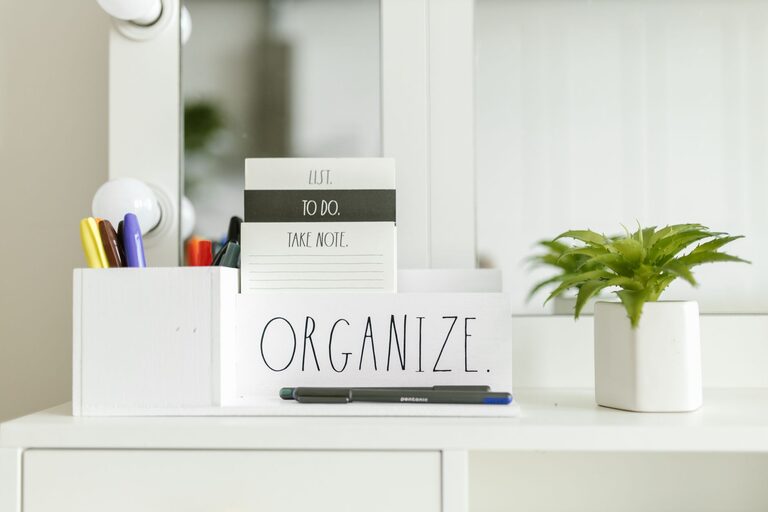
– Small shelf or desk organizer (optional)
2. Prepare the Area
Clear the chosen spot and clean the wall or surface. Make sure it’s easy to access and free from distractions.
3. Install Base Items
Mount your calendar and message board first. Position them at eye level so all family members can read and interact with them comfortably.
4. Add Storage Solutions
Place mail organizers, baskets, or file holders below or beside the boards. Label each one clearly, such as “Incoming Mail,” “School Papers,” or “Bills.”
5. Set Up Chore and Meal Planning Station
Depending on your setup, attach a chore chart or to-do list next to the calendar. Hang a small whiteboard for meal planning and grocery lists nearby.
6. Add Accessories
Install hooks for keys, backpacks, or reusable bags. If possible, designate a charging spot with cords and plugs for devices.
7. Personalize and Encourage Use
Involve your family in decorating the space with inspirational quotes, photos, or artwork. Teach everyone how to update the boards and use the center daily.
Tips for Maintaining Your Family Command Center
– Update regularly: Keep calendars and boards current to prevent clutter and confusion.
– Review weekly: Take time as a family to go over the upcoming schedule and chores.
– Simplify: Avoid overcrowding the space with too many tools or papers.
– Encourage participation: Make it a habit for all family members to check the center, especially children.
Benefits of a Family Command Center
– Improves communication among family members
– Reduces forgotten appointments and missed deadlines
– Helps children learn responsibility with chores and schedules
– Centralizes important information in one visible location
– Creates a shared system that saves time and reduces stress
Final Thoughts
Creating a family command center is a practical way to bring order and clarity to your busy household. With some thoughtful planning and simple tools, you can build a space that helps everyone stay organized and connected. Start small, customize it to your needs, and watch how this command center becomes the hub of your family’s daily life.