









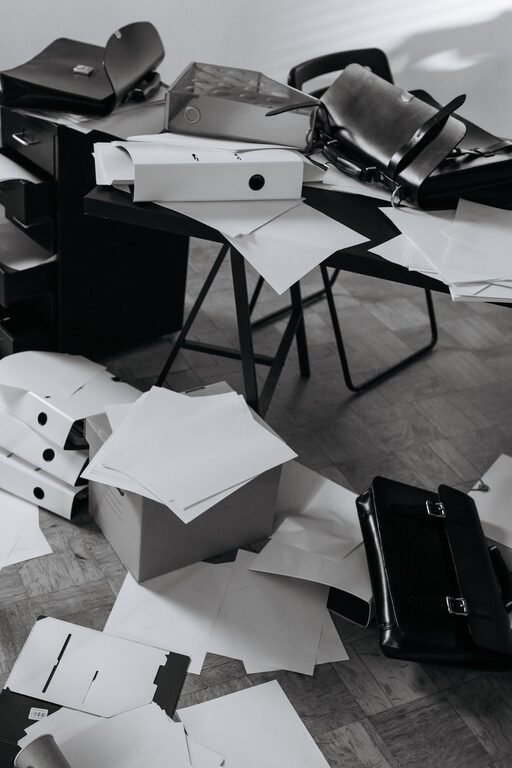
Paper clutter is one of the most common sources of household mess. From mail and receipts to old documents and kids’ artwork, paper piles can quickly take over your space if left unchecked. Fortunately, reducing paper clutter doesn’t require drastic measures or expensive tools. With a few simple strategies, you can create a more organized and peaceful home environment.
In this post, we’ll explore practical ways to manage your paper flow, sort through what you have, and keep clutter under control going forward.
Why Reducing Paper Clutter Matters
Paper can accumulate quickly and disrupt the look and feel of your home. Too much clutter can make it hard to find important documents, increase stress, and reduce your overall productivity. By cutting down on paper clutter, you gain:
– More physical space and less mess
– Easier access to important papers
– Improved focus and calm in your living areas
– Better tracking of bills and documents to avoid missing deadlines
Step 1: Sort and Declutter What You Have
Before you can reduce paper clutter, start by sorting through the papers you already have.
Create Sorting Categories
Set up labeled piles or folders to sort papers into groups, such as:
– Keep: Important documents like birth certificates, insurance papers, and tax returns
– Action: Bills to pay, forms to fill, or documents that require attention
– Shred or Recycle: Old statements, junk mail, and outdated paperwork
– Sentimental: Kids’ artwork, letters, or keepsakes you want to save
Use the "Touch It Once" Rule
As you pick up each piece of paper, decide immediately which category it belongs to to avoid creating new piles. This helps speed up the sorting process.
Dispose Responsibly
Shred sensitive documents to protect your privacy before recycling the rest. Many communities offer free shredding events if you don’t have a shredder at home.
Step 2: Minimize Incoming Paper
The best way to reduce clutter is to prevent unnecessary paper from entering your home.
Go Paperless When Possible
– Opt for electronic bills and statements from banks, utility companies, and subscriptions.
– Sign up for digital receipts or use store apps that track your purchases.
– Request e-tickets or mobile boarding passes instead of printed ones.
Reduce Junk Mail
– Register with the National Do Not Mail List or similar services to limit unsolicited mail.
– Contact companies directly to remove your address from mailing lists.
– Use apps and websites designed to reduce junk mail.
Set Up a Designated Mail Spot
Create a single spot near your entryway or kitchen where all incoming mail is collected. This prevents papers from being scattered and helps you stay on top of incoming documents.
Step 3: Organize Your Paper System
Once you have fewer papers coming in and a clear idea of what to keep, develop a system to keep papers organized.
Use Folders and Labels
Store important papers in clearly labeled folders or binders. For example:
– Bills & Receipts
– Tax Documents
– Medical Records
– Home & Vehicle Documents
Rotate through relevant folders seasonally to keep only what you need.
Implement a Filing System
Choose a filing system that fits your style, whether that’s a traditional filing cabinet, accordion folders, or desktop organizers. The key is consistency so you always know where to look.
Go Digital
Scan important documents and save them in organized folders on your computer or cloud storage. This reduces physical paper volume and makes retrieval easier.
Step 4: Maintain Your Paper Control Routine
The best organizing effort won’t last without regular upkeep.
Schedule Weekly Paper Time
Spend 10 to 15 minutes each week sorting new mail, filing papers, and tossing junk. Making this a habit reduces the chance of paper piles growing out of control.
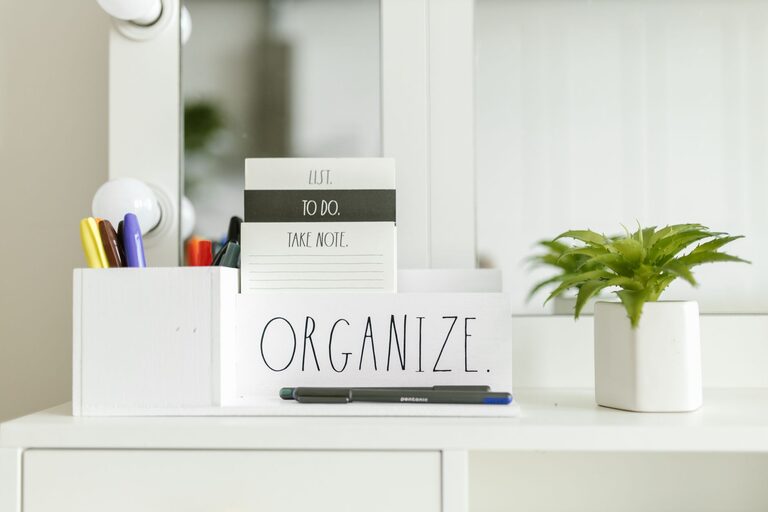
Use a To-Do Basket or Tray
Keep a small tray or basket for papers that need action, like bills to pay or forms to complete. Check and clear this regularly.
Purge Old Papers Regularly
Go through your files every few months and shred or recycle papers you no longer need. This keeps your filing system lean and efficient.
Bonus Tips for Paper Clutter Reduction
– Digitize kids’ artwork by photographing or scanning before recycling the originals.
– Use apps designed to manage receipts and warranties.
– Consider mail apps or services that scan and digitize your mail for you.
—
Reducing household paper clutter is achievable with a few thoughtful steps and regular habits. By sorting efficiently, limiting incoming paper, organizing smartly, and maintaining your system consistently, you can enjoy a tidier home and less stress. Start small, stay consistent, and watch your paper clutter disappear!